

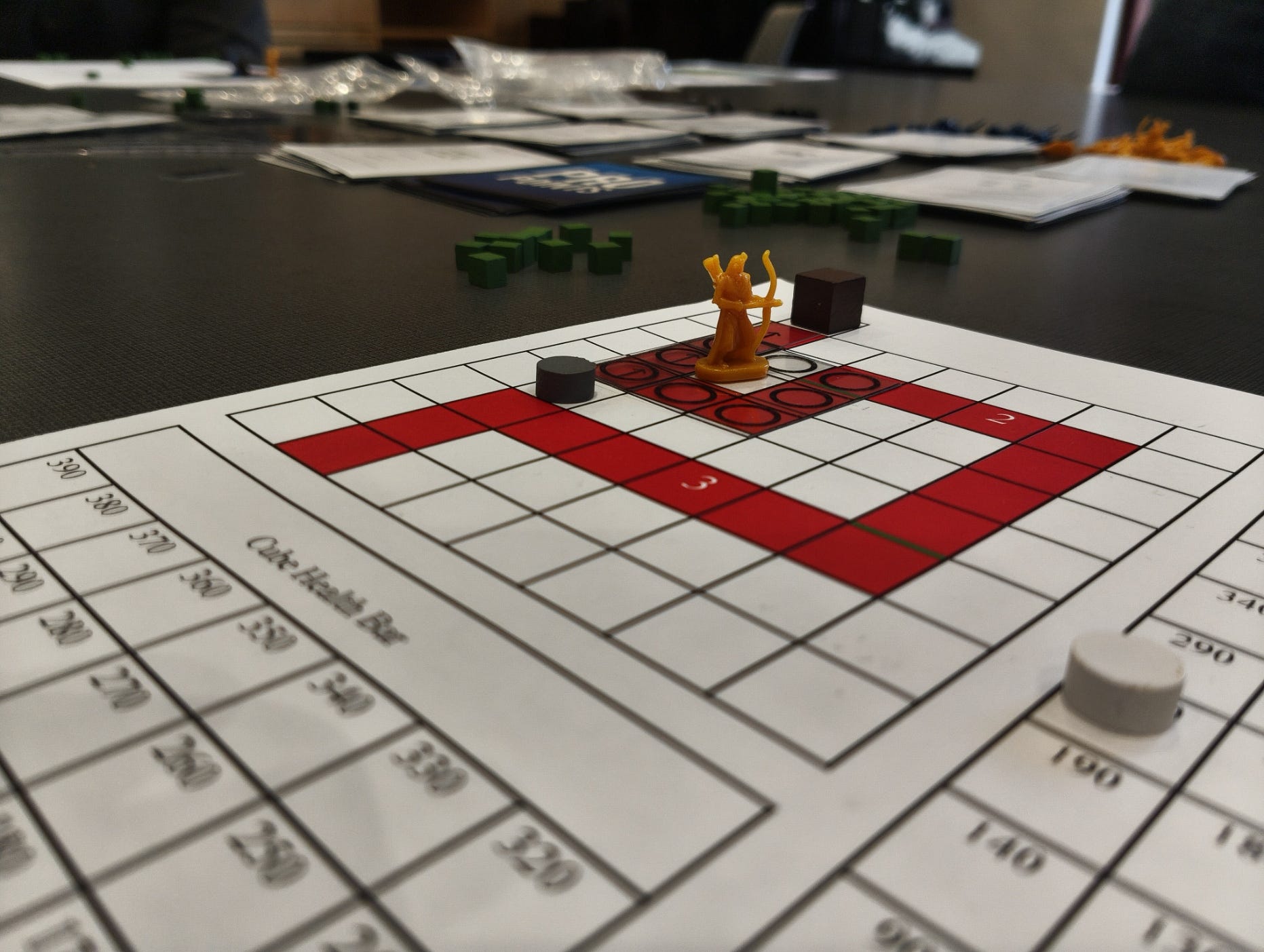
I recently had the opportunity to participate in a playtesting event at Harrisburg University (HU). For those unaware, HU has a Game Design program where students learn skills to work throughout the gaming industry. This particular event focused on board games and included multiple paper prototypes created by students.
During an interview at the event, Professor Tony Ortega asked for my thoughts on the skills students learn through the program. I told him that the coursework gives students the opportunity to develop many different types of skills. Obviously, the hope is that they will all get jobs in game design, but there are many other industries where those skills can be applied.
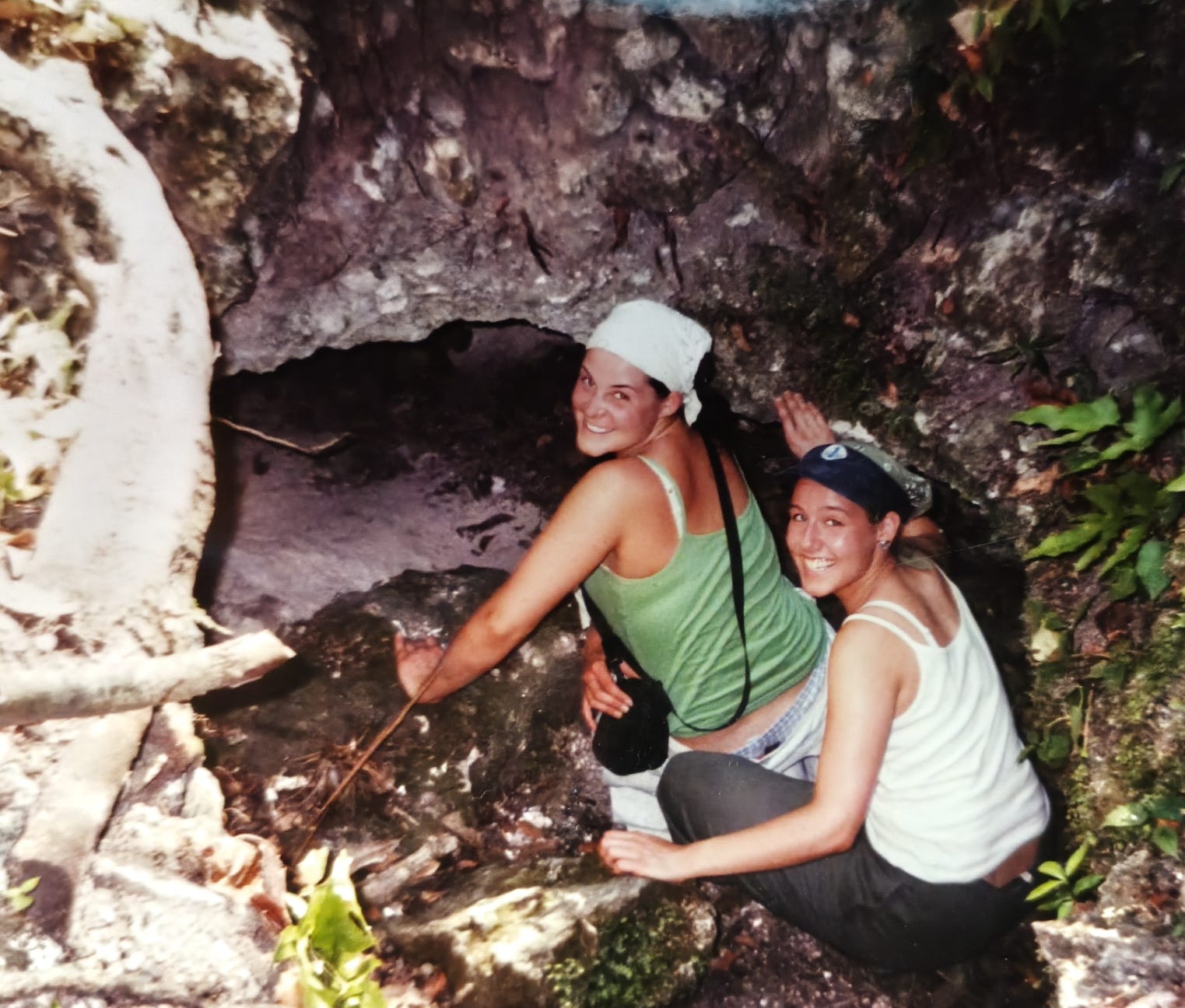
The more I thought about his question, the more personal it became. My own degree is in anthropology. I do not have a career as an anthropologist or archaeologist, but I still use what I learned during those four years. In fact, many of those skills have made me a better game designer.
Some connections are fairly obvious. The quantitative skills I learned in statistics courses help me think about representative sample sizes, probability, and number distributions. The less obvious connections are the softer skills: observing how people behave, asking questions without leading them, and setting aside my own assumptions.
Learning How to Test
One of the most important skills game-design students learn is how to test something. I work in software development in my day job, where I often have to test whether software meets its requirements. That does not mean simply pushing buttons and confirming that they work. You also have to think critically about whether the software accomplishes the intended purpose.
Sometimes a stakeholder tells you exactly what they want, and you build it, only to discover that it does not actually do what they need. They might say, “I want a report that includes the date a product was delivered.” If you ask why they want it, you may learn that what they really need is a report on the promptness of deliveries. One delivery date does not answer that question. The report needs the requested date, the actual delivery date, and a calculation showing whether the delivery was on time.
Game design can be similar. During a playtest, you may observe a person taking a specific action that gets them from A to B. Without understanding that player’s motivation, it can be difficult to determine whether the mechanic is working effectively. Did they take that action because it supported a strategy, or only because it seemed like the expected next step? The why can be just as important as the action itself.
Sometimes you can ask players to think out loud. This works well with experienced playtesters, although it can be challenging if talking through a decision would reveal someone’s strategy to an opponent. It can be especially effective in a solo game or a two-player game where the designer is the other player.
Often, simply asking “Why?” without adding too much detail is enough. You do not want to lead the player toward the answer you expect. You also have to become comfortable with an awkward silence. Ask the question, let the person think, and do not rush to fill the silence for them.
Looking Beyond Your Own Assumptions
Observation without interference is an important part of anthropology, especially in ethnographic study. I had a lot of book learning on the subject, but I probably gained the most practical experience when I was responsible for the user experience of a website. To design a usable site, I needed to know both how and why a person used it.
Anthropology also taught me the importance of holistic study: looking at something from many angles without allowing my own bias to get in the way.
I remember one of my Anthropology professors asking my class to imagine that we were studying a village in a remote location. The people in the village always seemed to have good luck catching fish at a particular time of day. What might explain it?
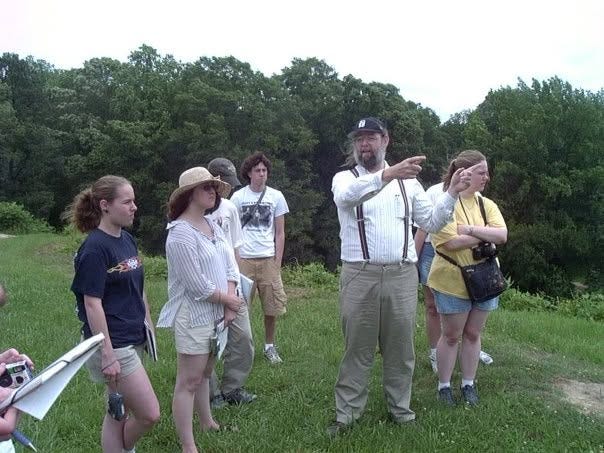
We went around the room offering possibilities. Maybe the fish were more active then. Maybe it had to do with the type of bait they used or the temperature at that time of day. All our answers were scientific and rooted in Western ways of thinking, which reflected who we were.
Then the professor asked, “What if the village’s ancestors directed the fishermen to go at that time in an elder’s vision?”
It made me stop and think about how important it is to consider something from where other people are, not where I am.
I have had to apply that lesson to my own game designs. In my Harrisburg roll-and-write game about industrializing the city, players gain resources from assets they have built, then use those resources to build more assets. In my mind, there was a natural progression from cotton to cloth to consumer goods, for example.
Many players wanted to skip straight to consumer goods. I did not initially understand why they would ignore what seemed to me like the obvious progression. The problem was that the game gave them no reason to take the extra step. The shortcut provided the same number of points. My idea of a “natural progression” depended on historical knowledge that not every player had, and the mechanics did not reward them for following it anyway.
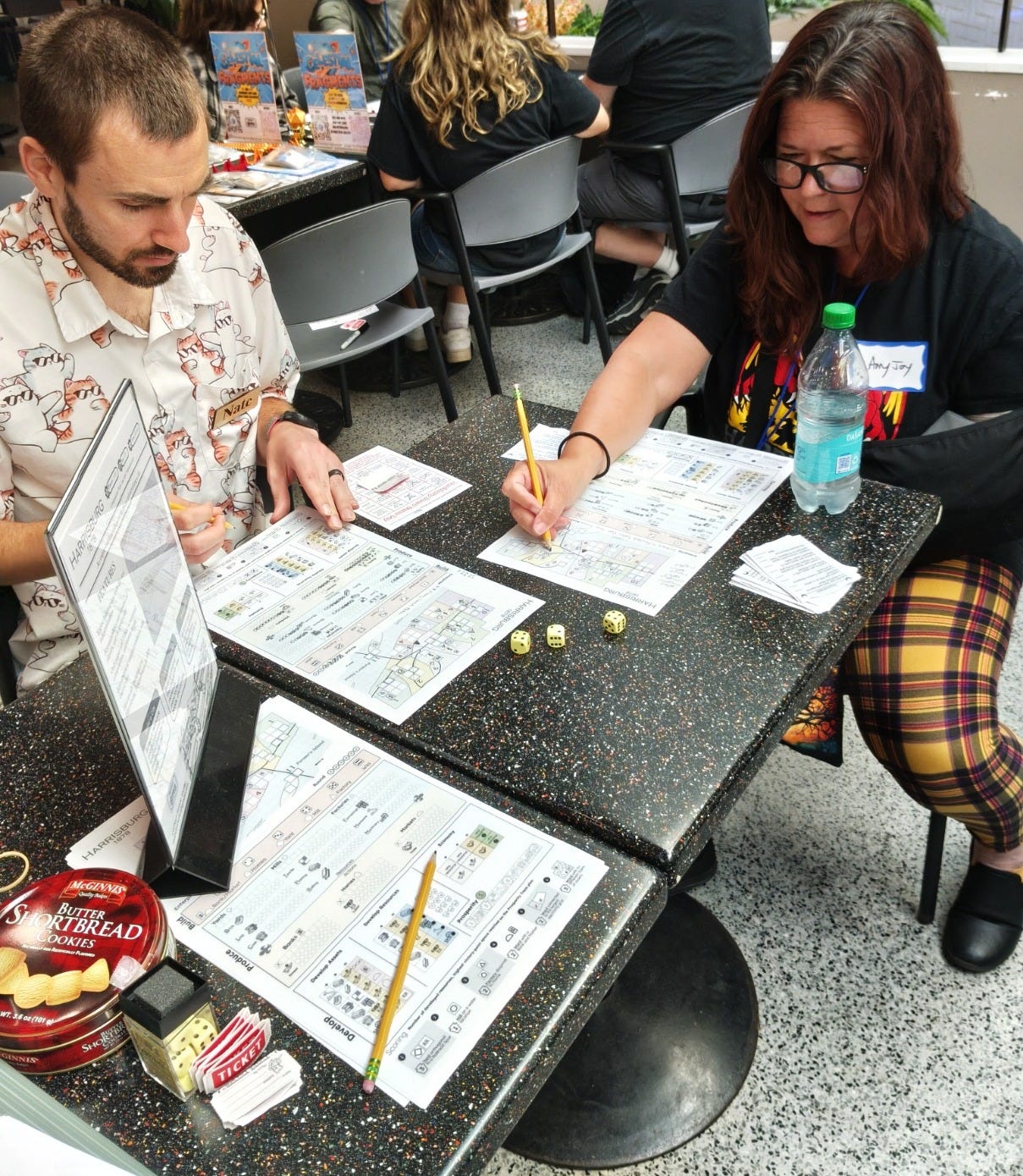
Once I understood that, I added a victory point benefit for taking the longer route. I had to get out of my own head, look at the game from the players’ perspective, and make a change based on what they were actually doing.
Iteration Is a Skill
And making that change is another skill I learned through multiple design processes. You make a small, observable change between versions, then test again to see what effect it has.
This is something you learn in programming and software testing. If you make too many changes at once, or make a single drastic change, it becomes much more difficult to understand the effect on the product. In software, you might introduce a bug and have no idea which change caused it. In a board game, you might create an imbalance between mechanics without knowing which adjustment is responsible. Either way, the problem becomes more difficult to fix in the long run.
The paper prototypes at the HU event were a good reminder of what iteration can look like. I have spent a long time working with digital versions and mostly finished games. There was something more visceral about sitting down with paper prototypes. It took me back to the roots of game design.
One was a tower-defense game. The student explained that they were a big fan of the genre and wanted to create a board game with the same feeling. I chose the most expensive piece of equipment because I assumed it would also be the most powerful. The other players started with lower-level equipment that provided more coverage.
It quickly became clear that there was a predictable path to victory: start with the lower-level equipment, survive the early waves, and progress to the higher-level equipment later. Starting with the expensive equipment only left me poor and poorly defended. The playtest illustrated the need for better balance so that players could pursue different strategies instead of following a single optimal path.
The student was very receptive to the feedback. In fact, all the students seemed prepared for this type of event. They took in feedback without becoming defensive. They clearly stated their design goals without trying to change the players’ perceptions of what had happened. It was obvious that their coursework had prepared them for the process.
Paper prototypes may help create that openness. A more finished product can give the impression that the designer has already committed to certain parts of the design and may not be open to changing them. With a paper prototype, the designer can cross something out without disrupting the game. Everything feels more fluid, and the feedback feels more important.
More Than a Job Title
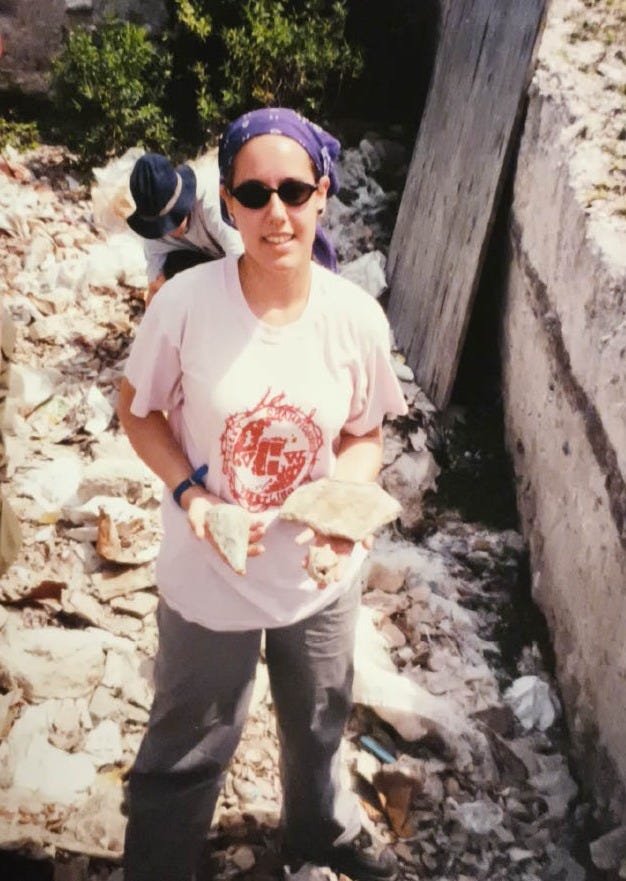
People have “jokingly” asked me, “So, how is that archaeology degree working out for you?” The implication is that I wasted my time, money, and effort on a useless degree. It makes me angry. Just because I am not digging holes in Pennsylvania in the middle of summer does not mean I am not using the skills I learned.
While I do not have a career in anthropology or archaeology, those four years of college helped prepare me to work as a GIS technician, webmaster, communication specialist, business analyst, and game designer. The skills moved with me even when the job titles changed.

I think game-design degrees can work the same way. Graduates might not go on to develop video games for a living or create a top-100 game on Board Game Geek. But they might become program managers, quality-assurance testers, business analysts, or any number of other things. They will know how to observe people, question assumptions, understand the purpose behind a request, test an idea, accept feedback, and improve something one change at a time.
An education is more than a title and your name on a piece of paper. It is a collection of skills and knowledge that you can apply almost anywhere in life if you are creative enough.