

Strong versus Light Theme
Aside from abstract games, most games have some sort of theme that helps the player understand their goals and drives motivation for playing. Sometimes that theme is very weak. Recently I played The Gang, a cooperative poker-like game with a little social deduction. The story is that you’re all part of a gang pulling off a series of bank heists. Maybe it was the way it was taught to me, but I didn’t see much of that theme pulling through in the play. I didn’t feel a motivation to win because I wanted to successfully pull off a heist.
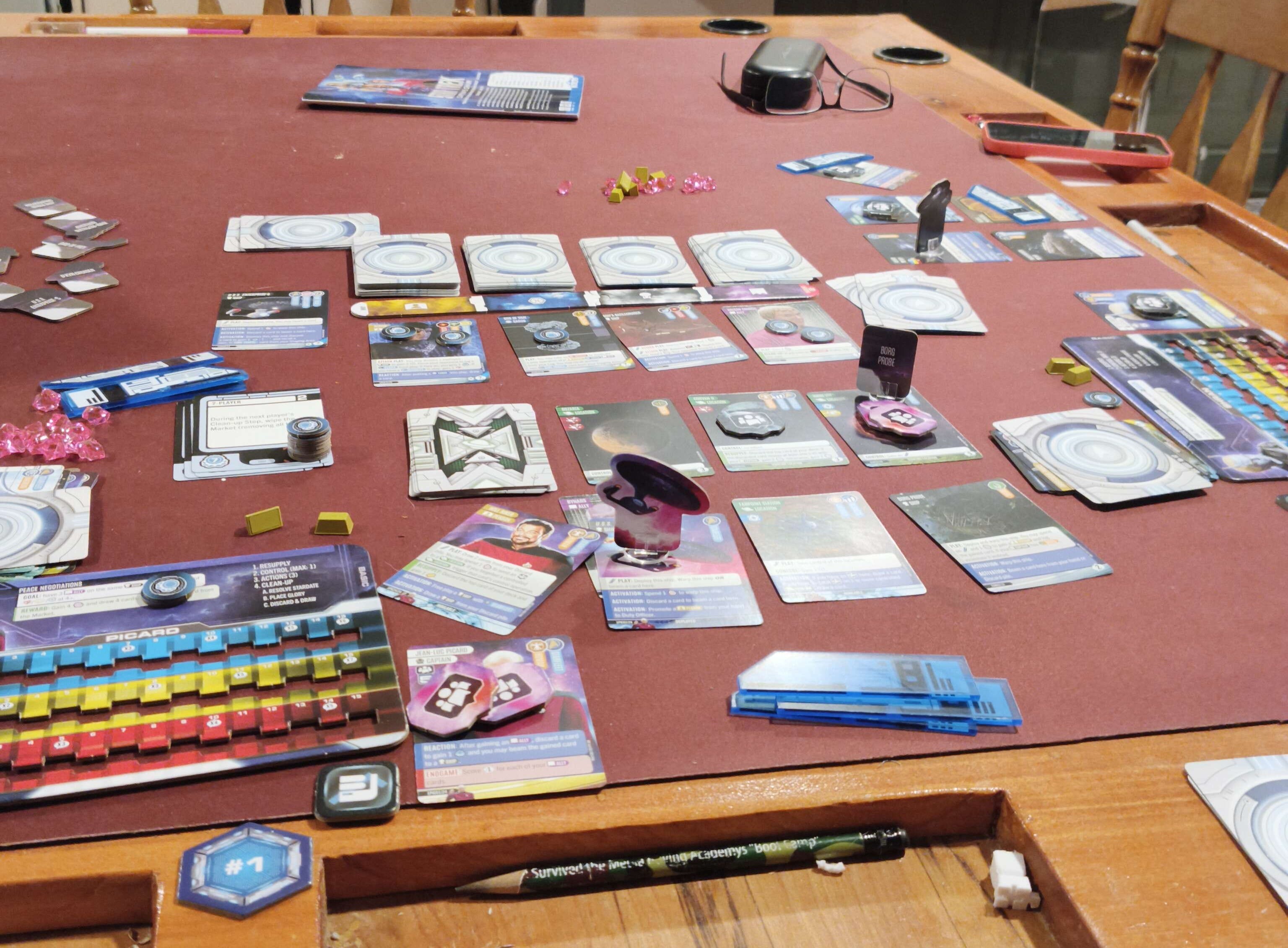
Other games have extremely strong themes. Captain’s Chair is a head-to-head deck builder battle based in the Star Trek universe. Not only is every card strongly set with characters, locations, and equipment from the show, but the way you win and how you play is directly affected by which captain you choose.
Game Design Start - Theme versus Mechanic
Some designers start with a great idea for a game based on the mechanics they want to put into a game, either because they came up with something unique or maybe want to improve on a design they played. However, Community Cats started as an idea based strictly on theme. I wanted to make a game about trapping cats and returning them to their colonies. So then I had to consider what mechanics work for that sort of theme. I very quickly decided on a pick-up-and-deliver game, because that is quite literally what you do with the cats in real life. You pick them up from their colonies and deliver them to the clinic for surgery.
Turning Real-World Situations Into Mechanics
Next, I thought about the situations a rescuer encounters while doing TNR and how I could represent them in the game.
You Never Know What You’re Going to Trap
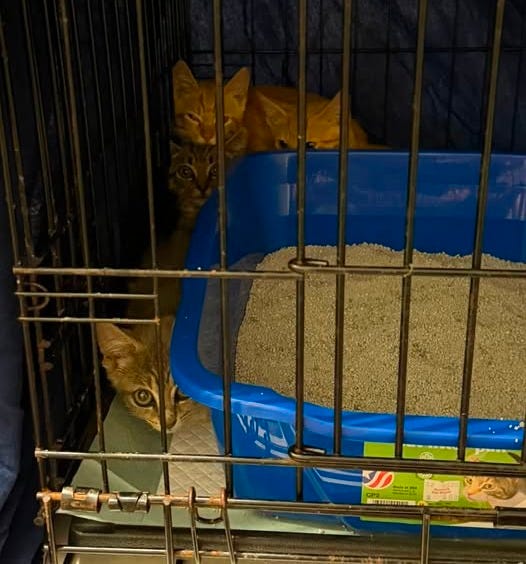
When you trap at a colony, you have no idea how many cats you’re going to get. You know how many traps you put out, and if you’ve been caring for the colony, you’ll know roughly how many cats you need to trap. But cats really have a mind of their own. You’re never guaranteed to trap a specific number.
To capture that unpredictability, I decided on a bag-building mechanic. When populating the colonies, players draw cat cubes from a bag, so they never know exactly what they’re going to get.
Some Cats Are Harder to Trap
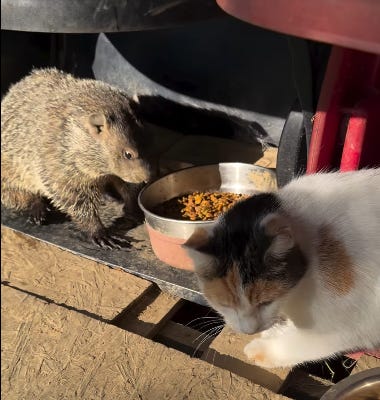
Some cats are very trap savvy and know better than to go into a trap. Maybe they’ve been trapped before, they’ve seen other cats get trapped, or they just don’t like the weird metal object in their home. There are plenty of reasons, but these cats often need a little special coaxing.
I represented this with different difficulty levels. Each game has a specific number of difficult, average, and friendly cats in the bag. The type of cat cube a player draws determines how difficult that cat will be to trap.
Rescuers Have Tools
In real life, rescuers have a number of ways to make trapping difficult cats easier. One is to use food that will really attract the cat. Sometimes fish-based food is enough to get their attention. For the really difficult cats, the other trick is to use Kentucky Fried Chicken. It’s a sworn-by secret among rescuers.
Rescuers can also use a drop trap. I always describe this as a Wile E. Coyote-type trap from the Looney Tunes cartoons. It’s a giant square cage that’s held up with a stick. You put something they want (food) under it and wait and watch. When the cat goes under it, you pull the stick and it drops on them. You can then transfer them over to a normal trap for transport. They even have electronic ones now that work using a remote control button!
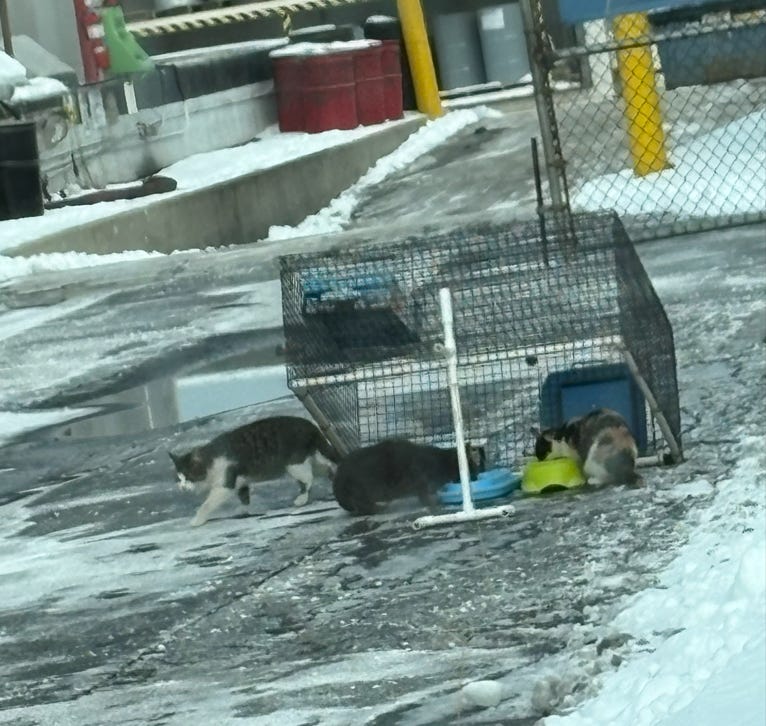
In the game, tasty food and a drop trap became token upgrades that the player can purchase to enhance their rolls. Tasty food gives a simple +1 to dice rolls. To mimic its real-world application, the drop trap requires more time tokens to use but guarantees a trapped cat.
Things Left Out or Removed
I was very adamant that I wanted the game to rely heavily on theme and that I was willing to sacrifice a little on gameplay to capture that realism. However, there were still a few things left out or removed.
In TNR, it really does matter if you capture a female or a male cat. Females require a longer recovery time because their surgery is more invasive. I explored the idea of having female/male cube distinction, but ultimately decided it was too much for the player to keep track of. I didn’t want analysis paralysis to occur because there were too many factors. In fact, I left out the whole recovery process unless you assume they stay in the clinic overnight.
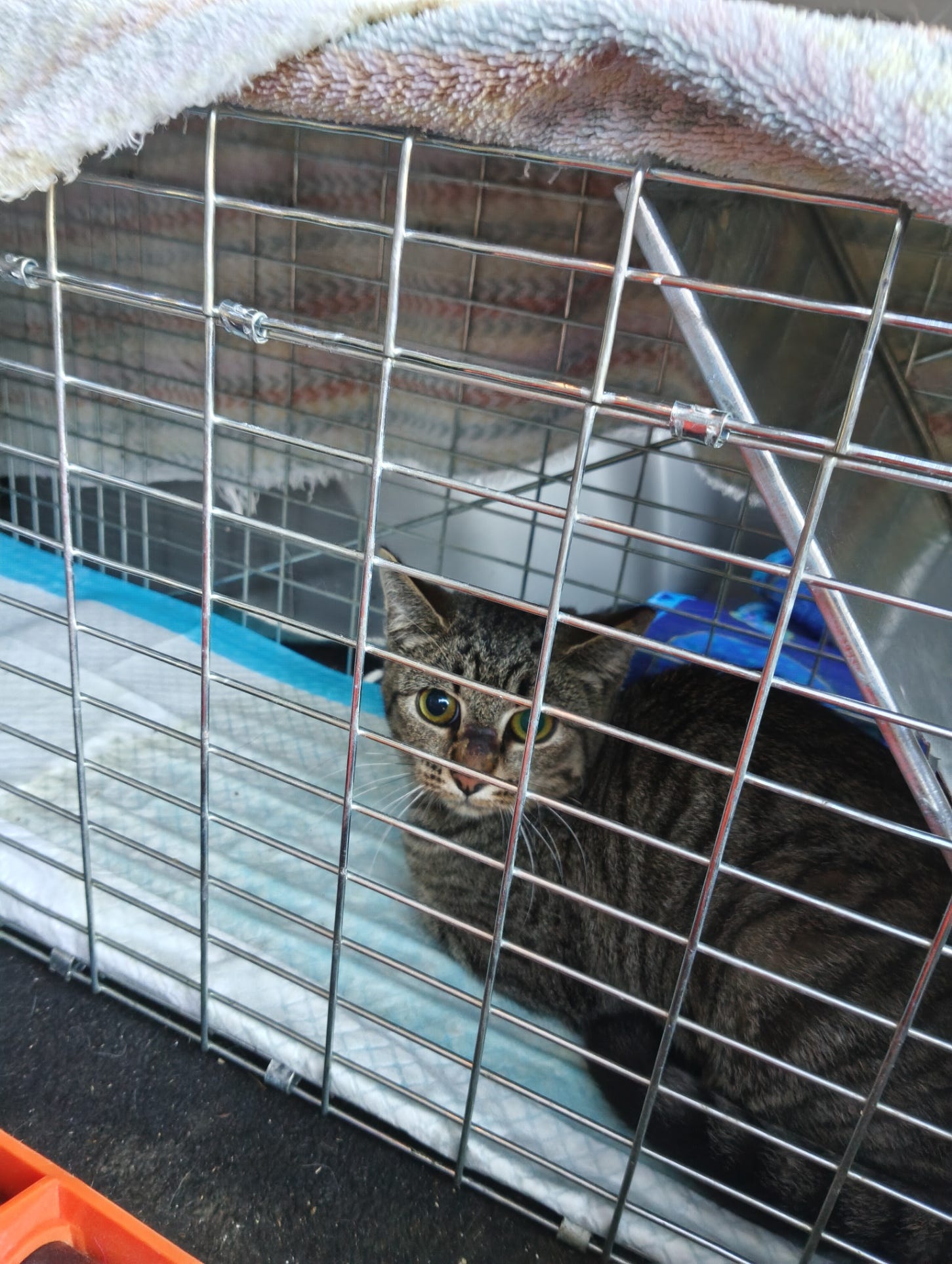
Cats multiply exponentially. In the game, two cats only make one more cat. In reality, a single unspayed mother can have multiple litters each year, usually between three and six kittens. The game became nearly impossible if that many cubes were added, so it was reduced. I wanted the game to feel like a challenge, but not impossible.
Pulling It All Together
Designers make a final decision on how they balance realism and fun mechanics. It’s a lot easier when you’re making something like a fantasy game about dragons compared to making a game about an educational topic like TNR. However, I think I’ve been able to find a nice blend of real-life scenarios and fun game mechanics to make Community Cats a challenging puzzle that entertains while it educates.
All pictures came from work done by Trapped and Tipped TNR Advocacy Group out of Mechanicsburg, PA. If you’re interested in donating to them, you can do so here: https://www.paypal.com/us/fundraiser/charity/5913919