

I maintain that one of the most difficult parts of game design is writing the rulebook. Many designers will opt to farm that out to someone else. The truth is that you are often too close to your game to write a good ruleset in a silo. You know the rules so well from playtesting that directions can feel clear to you even when they aren’t clear to someone reading them cold.
What’s Blind Playtesting?
That’s where blind playtesting comes into play. For those who don’t know, blind playtesting is when you give the rulebook to the players and have them teach themselves and play the game. It could be everyone reads it, or it might be assigned to one player. For Community Cats, this is easy since it’s a solo game. Everyone gets to read the rules.
How’s it work?
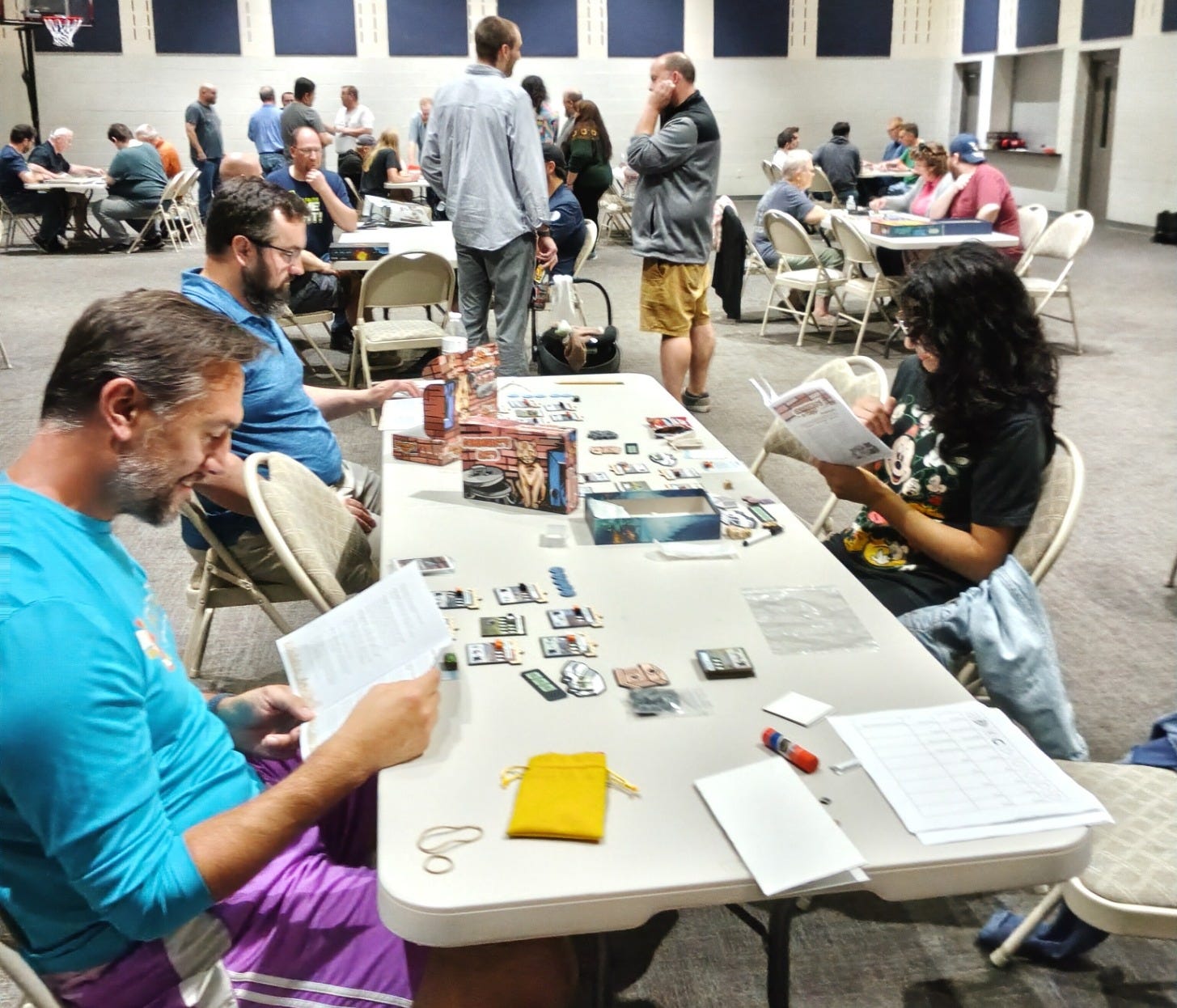
Every designer probably does it a little differently. Recently, I had the opportunity at the Dillsburg Game Night to bring a few copies of my game and get players to test it out. I gave each player a set of the rules and told them to read through it and play the game. I made myself available for questions, but tried to urge them to find the answer if they could. If you are too readily available, they’ll rely on you and not the ruleset.
Observation Is Key
I think the most important part is watching the players, but not interfering. You need to let them make mistakes. Be sure to write down where they did something wrong, so you can see where in the rules you might need to clarify.
For instance, one of the playtesters only put one cat on each colony during setup (instead of 2). I let them complete the setup and actually start a round before pointing it out. I was hoping to see if they would catch themselves (they didn’t). It’s important that they play the game mostly right, so that’s where I stepped in.
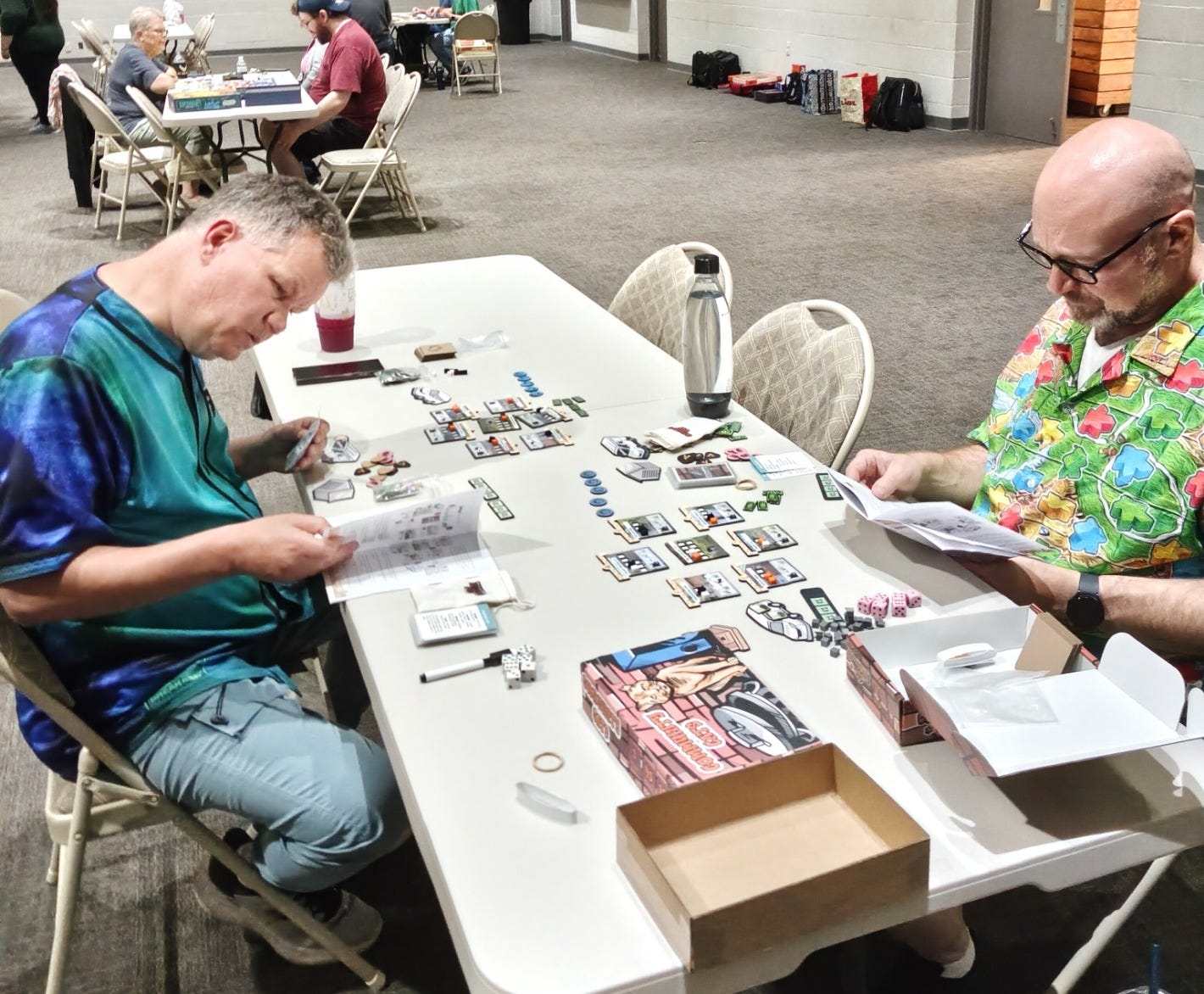
I joked with my own friend who was playtesting that my anthropology skills were in use. I was treating her like an ethnographic study and recording what she was doing.
Ask Them to Think Out Loud
One of the most useful things a playtester can do is think out loud. It really helps to gain some insight into their motivations and understanding of the game. Community Cats has a bit of strategy in that you usually have multiple ways to handle a problem. I like to hear why they are doing things, rather than just see the end results. This helps me know if my ruleset is explaining why certain decisions are important.
For example, Community Cats has an employee meeple that performs actions that cannot be done otherwise. It’s an optional upgrade that you can purchase at the beginning of the round for $1 and one time. At the end of the round, you can either pay $1 to retain them or return them to the supply. If they go back to the supply, you can buy them again next round, but it will cost both the $1 and the time to hire them.
It’s important to me that players understand that decision. Many players asked, “Why bother paying the $1 if I can just buy them again?” But the distinction is that retaining the employee does not cost any additional time. Planning to have the money at the end of the round is important if you want to keep that option open. I don’t necessarily want to spell that strategy out in the rules, but I want to make sure the rules help players arrive at that decision.
Do Not Coach
So one very important thing I learned this time around was that I had been coaching far too much when I explained the game. Out of the six games that were played, four were lost by running out of cat cubes. Through observation, I saw that players were not making the most efficient decisions. During normal playtesting, I would have offered tips and strategies, but blind playtesters do not have that benefit.
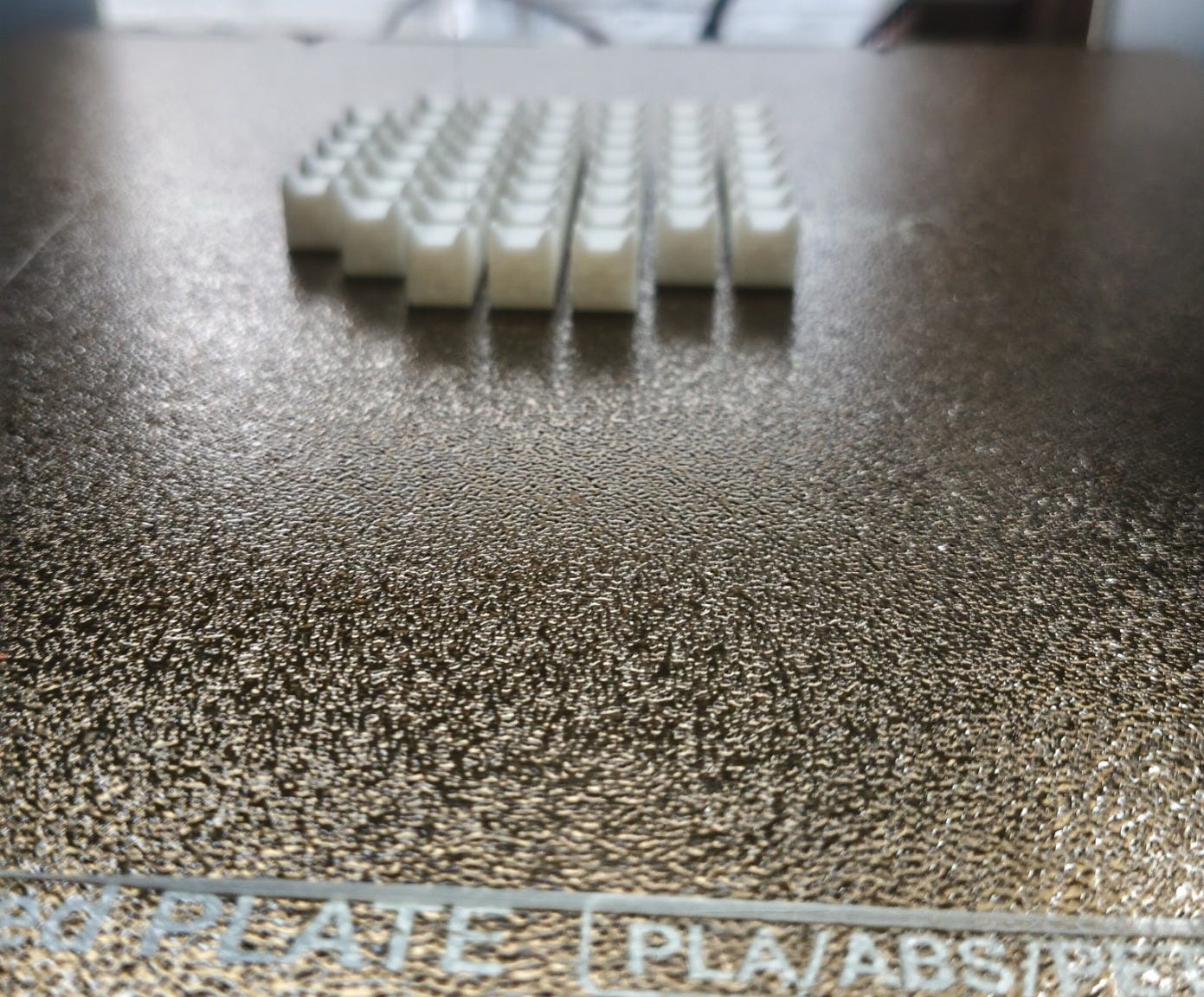
That made the results much more useful. If players are consistently running out of cat cubes without coaching, then I need to account for that in the game itself. I had to rethink my math on the number of cubes in the bag based on the blind playtesting. This is something that I likely would not have realized without it.
When to Stop
Knowing when to stop is a problem that many creatives have. I was recently at a book event for Rachel Reid’s Game Changer series, and the author was asked, “When do you know your book is done with editing?” Her response was basically that she had to rely on her editor, because if left to her own devices, she would never stop. Even now, if she rereads parts of her books, she wants to make changes.
I think that can also be true for board game designers who are doing all the work on their own. When you don’t have someone else to tell you to stop, you’ll likely keep going because you’ll always find something you want to change.
Blind playtesting has shown me that most players are able to understand the basic rules of the game without my teaching it. I made a few formatting changes based on the feedback, and I have sent just the rulebook out to a few more folks who are going to test the game on their own. I think after that, I need to call it done. Deadlines are very helpful for knowing when to stop.
Stuff to Do Fair
Before I wrap up, I also want to mention that Matt and I will be at the Stuff to Do Fair. The New Cumberland Stuff to Do Fair takes place on Sunday, October 4, 2026, from 10:00 AM to 1:00 PM at the New Cumberland Fire Hall (319 4th St, New Cumberland, PA). We’ll be representing the Harrisburg Board Game Alliance, trying to explain the hobby of board gaming to folks and drum up some support for all the awesome play groups we have in Central PA. Stop by if you’re free!